
Alloy steel refers to carbon steel that has been intentionally enriched with one or more alloying elements (such as chromium, nickel, molybdenum, vanadium, tungsten, manganese, silicon, boron, titanium, copper, etc.) to enhance or achieve specific properties. Different alloying elements impart distinct characteristics to alloy steel. For instance, chromium improves corrosion resistance and oxidation resistance, nickel enhances strength and toughness, and molybdenum increases heat resistance and wear resistance. The addition of these alloying elements typically exceeds the impurity content found in carbon steel. Their types and proportions significantly influence the steel’s mechanical properties, corrosion resistance, heat resistance, wear resistance, and other critical attributes. Alloy steels can be classified based on alloying element content:
– Low-alloy steel (less than 5% alloy content)
– Medium-alloy steel (5%-10% alloy content)
– High-alloy steel (greater than 10% alloy content)
Generally, higher alloy content yields superior steel properties but also commands a higher price.
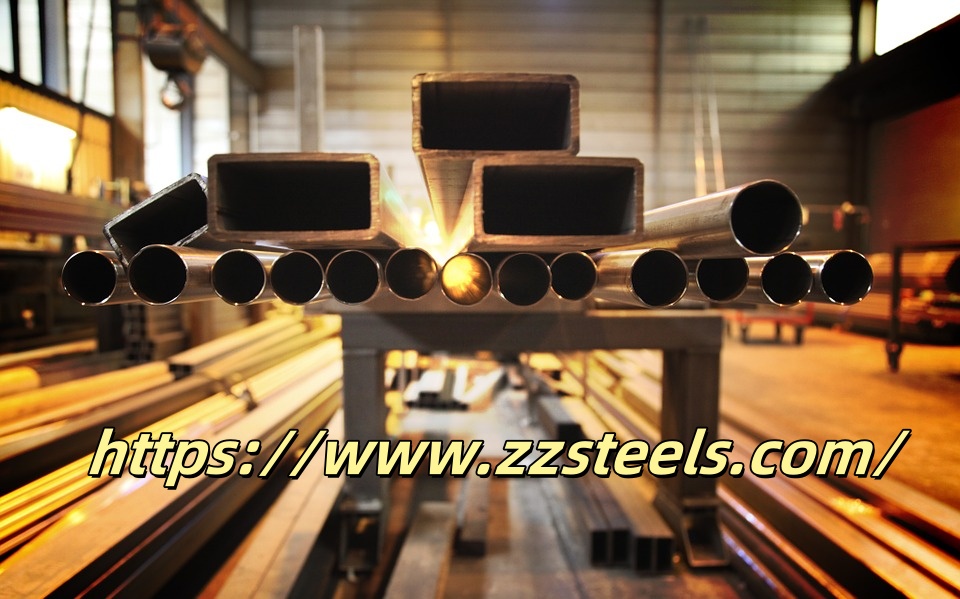
Types of Alloy Steel
- Low alloy steel
Total alloying element content: Usually less than 5%.
Features: On the basis of carbon steel, by adding a small amount of alloying elements (such as manganese, silicon, chromium, nickel, molybdenum, vanadium, etc.), the strength, toughness, hardness, wear resistance or weldability are significantly improved. These steels usually have higher comprehensive performance than carbon steel, and the cost increase is not much, which has a high cost performance.
- Medium alloy steel
Total alloying element content: Usually between 5% and 10%.
Features: It has better mechanical properties and special properties, such as higher strength, better heat resistance or wear resistance. It is used to manufacture mechanical parts and structural parts that require higher strength and certain special properties, such as some medium-strength heat-resistant steels.
- High alloy steel
Total alloying element content: Usually greater than 10% (some standards define it as greater than 8% or 10%).
Characteristics: Due to the high content of alloy elements, it has very significant special properties, such as excellent corrosion resistance, ultra-high heat resistance, extremely high hardness or special physical properties. These steels are usually more expensive, but their performance in extreme environments is unmatched by carbon steel and low-alloy steel.
Common Steel Alloying Elements
Aluminum
Aluminum is used in relatively small quantities, making it a strong yet lightweight metal with excellent corrosion resistance. However, depending on the proportion, this may come at the cost of increased brittleness and reduced impact resistance.
Chromium
Small amounts of chromium in alloys enhance hardness and toughness, though at the cost of some ductility. Higher chromium content significantly improves corrosion resistance; stainless steel, the most renowned alloy in this category, contains approximately 11% chromium or more.
Cobalt
Cobalt alloys increase hardness and markedly improve oxidation resistance at elevated temperatures, making them popular for tool steels.
Silicon
Used in small quantities, typically around 3%, silicon slightly increases strength while adding magnetic properties and serving as an efficient deoxidizer. This makes them highly useful in electrical applications like transformers, motors, and generators.
Manganese
Manganese improves ductility and hardness, reduces brittleness, and greatly enhances wear resistance and impact toughness. These alloys are ideal for hammering or applications where metal endures stress.
Nickel
Another deoxidizer, nickel substantially improves corrosion resistance when used in higher proportions. It also increases strength and hardness without compromising ductility as seen in some alloys.
Tungsten
Beyond boosting strength and hardness, tungsten alloys are primarily valued for their impressive heat resistance and a melting point higher than most steels. This ability to maintain toughness at elevated temperatures makes it an excellent choice for high-speed tools and mechanical components.
Vanadium
Vanadium alloys offer a versatile all-around solution, delivering increased tensile strength, toughness, wear resistance, and corrosion resistance. These are typically alloyed with chromium to maintain machinable formability levels.
Properties of Alloy Steel
High Tensile Strength: Alloying elements such as vanadium and chromium enhance tensile strength, thereby improving the alloy steel’s capacity to withstand high loads.
Superior Hardness: These elements increase the steel’s hardness and reduce its ductility.
Exceptional Corrosion Resistance: Notably, chromium additions also boost corrosion resistance, enabling alloy steel use in highly corrosive environments.
Enhanced ductility: Other elements, such as those in zero-nickel alloys, improve ductility, increasing the steel’s plasticity before it becomes brittle.
Stable performance at high temperatures: Alloy steel maintains both strength and deformability at elevated temperatures, a critical requirement for aerospace and power generation applications.
Heat Treatment
Alloy steel is particularly renowned for its strengthening through heat treatment. This process alters the microstructure of the material under study. It involves first heating the steel to a temperature suitable for recrystallization, followed by slow cooling. During this process, the steel is heated to a temperature above the critical point but within the tempering range, then allowed to cool slowly. On the other hand, in quenched steel, the soaking process is followed by extremely rapid cooling of the sample, typically in water or oil. This significantly enhances hardness and strength due to the martensitic transformation. However, this may increase the steel’s hardness but also heighten its brittleness.
Tempering always follows quenching to achieve a compromise between these two properties. The steel is quenched, reheated to a temperature still below its tempering temperature, and then slowly cooled. The ability to modify alloy steels through heat treatment makes them suitable for a wide range of engineering applications requiring diverse mechanical properties.
Corrosion Resistance
Chromium is the primary alloying element in stainless acid-resistant steel and heat-resistant steel. When the chromium content in alloy steel reaches approximately 12%, a dense chromium oxide layer forms on the steel surface, causing a dramatic improvement in the steel’s corrosion resistance in oxidizing media. Elements such as chromium, aluminum, and silicon enhance the steel’s oxidation resistance and corrosion resistance against high-temperature gases. However, excessive amounts of aluminum and silicon degrade the steel’s hot workability. Nickel is primarily used to form and stabilize the austenitic structure, imparting excellent mechanical properties, corrosion resistance, and processability to the steel. Molybdenum accelerates the passivation of stainless acid-resistant steel, enhancing its corrosion resistance against chloride-containing solutions and other non-oxidizing media. Titanium and niobium are typically used to fix carbon in alloy steels, promoting the formation of stable carbides to mitigate carbon’s detrimental effects on corrosion resistance. Copper and phosphorus, when used in combination, improve the steel’s resistance to atmospheric corrosion.
How is Alloy Steel Manufactured?
Alloy steel refers to steel composed of iron and a combination of alloying elements, typically chromium, nickel, or molybdenum. The process begins by smelting the components in an electric arc furnace. Precise quantities of alloying materials are added to the molten iron base. The composition of the mixture is often varied to achieve desired material properties, resulting in different grades of alloy steel. Without alloying elements, the steel undergoes several refining operations to eliminate impurities. The purified molten steel is then cast into the desired shape and cooled. Further processing through subsequent heat treatment processes, such as annealing or quenching, can enhance the mechanical properties of the alloy steel to meet its intended purpose.
Not all alloy steels are heat treatable. For example, ferritic and austenitic stainless steels cannot be heat treated. To impart sufficient hardenability, carbon is required to enable quenching. Conversely, martensitic (and similar) steels harden readily due to their high carbon content. Alloy steels with adequate carbon for hardening typically require temperatures between 760-1300°C, depending on carbon content. As with other steel types, the quenching process necessitates controlled heating and cooling.
Applications of Alloy Steel
Alloy steel is widely used across various industries due to its versatile properties:
Oil & Gas Industry: Pipes, fittings, and pressure vessels.
Power Generation: Boilers, turbines, and heat exchangers.
Automotive & Aerospace: Gears, shafts, engine components, landing gear.
Construction: Bridges, high-rise buildings, heavy-duty structures.
Tool Manufacturing: Cutting tools, dies, and wear-resistant parts.
Alloy Steel vs. Carbon Steel
Alloy Steel: Contains significant alloying elements, offering superior mechanical and chemical properties.
Carbon Steel: Relies mainly on carbon content, with limited corrosion resistance and toughness.
In short, alloy steel is chosen when higher strength, durability, and resistance to harsh environments are required.
Alloy Steel vs. Stainless Steel:
Alloy steel is based on carbon steel with added alloying elements such as chromium, nickel, molybdenum, and vanadium to enhance strength, hardness, wear resistance, and high-temperature performance. It is commonly used in machinery, automotive, pressure vessels, and other applications demanding high strength.
Stainless steel, on the other hand, is a high-chromium or high-chromium-nickel alloy steel, emphasizing corrosion and oxidation resistance. It is suitable for chemical, food, pharmaceutical, and decorative fields. Simply put, alloy steel prioritizes “strength and performance,” while stainless steel emphasizes “corrosion resistance and aesthetics.”
Alloy Steel Products Suppliers & Manufacturers
We are a professional alloy product manufacturer offering a wide range of alloy steel and stainless steel products in various materials and specifications, including pipes, plates, bars, flanges, and pipe fittings. Our products strictly adhere to international standards (ASTM, ASME, DIN, EN, etc.) and provide customized solutions tailored to customer requirements.
With advanced production equipment, stringent quality control, and extensive export experience, our alloy products are widely used in industries such as oil and gas, chemical, power generation, marine, desalination, pharmaceutical, and construction engineering, earning the trust of domestic and international clients.
Whether you require high-strength alloy steel or corrosion-resistant stainless steel, we provide reliable materials and professional support.