
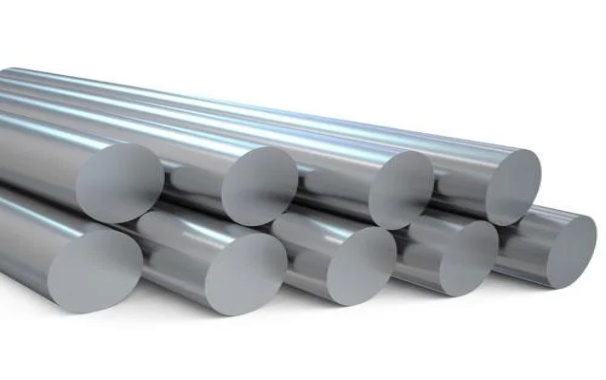
What Is Hastelloy C22
Nickel alloy C22 (Hastelloy C22 / W.Nr. 2.4602) is an austenitic alloy containing about 56% nickel, 22% chromium, 13% molybdenum, and 3% tungsten, along with small amounts of iron, cobalt, manganese, silicon, vanadium, and carbon. It provides outstanding resistance to pitting, crevice attack, grain boundary corrosion, and stress-related cracking. High molybdenum and chromium contents make the alloy highly resistant to chloride ions, and tungsten plays a role in improving corrosion performance. Hastelloy C22 is widely applied in chemical and petrochemical processing, especially in components that come into contact with chlorinated organic compounds and catalytic systems. It is particularly suitable for use in high-temperature environments, mixed with impure inorganic and organic acids (such as formic acid and acetic acid), and seawater corrosion environments.
As a leading high-performance alloy manufacturer in China, we use advanced melting and processing technologies to produce a variety of nickel-based alloys, including Hastelloy C22. Our product range includes pipes, flanges, and fittings, and they are widely applied in chemical, petrochemical, and aerospace sectors. We are committed to ongoing technological innovation to meet rigorous international standards. Customization are available, feel free to contact us.
Hastelloy C22 Chemical Composition
- Carbon (C): 0.015max
- Sulfur (S): 0.02 max
- Silicon (Si): 0.08 max
- Chromium (Cr): 20.0 ~ 22.5
- Molybdenum (Mo): 12.5 ~ 14.5
- Manganese (Mn): 0.5 max
- Vanadium (V): 0.35 max
- Cobalt (Co): 2.50 max
- Tungsten (W): 2.50 ~ 3.50
- Iron (Fe): 2.00 ~ 6.00
- Nickel (Ni): balance
Hastelloy C22 Mechanical Properties
- Material Name: Hastelloy C22
- Density: 8.69 g/cm³
- Melting Point: 1399 °C
- Thermal Conductivity (at 100°C / 212°F): 11.1 W/m·K
Hastelloy C22 Physical Properties
- Minimum mechanical properties of Hastelloy C – 22 alloy at room temperature:
- Alloy and Condition: Hastelloy C22
- Tensile Strength (Rm N/mm²): 690
- Yield Strength (RP0.2 N/mm²): 283
- Elongation (A5 %): 40
Hastelloy C22 Features
- Excellent resistance to pitting, crevice corrosion, and stress corrosion cracking
- Outstanding resistance to both reducing and oxidizing media
- Excellent performance in oxidizing aqueous environments
- Strong resistance to a wide range of chemical process environments
- Prevents grain boundary precipitation in the weld heat-affected zone
- Excellent weldability
Hastelloy C22 Excellent Corrosion Resistance
Our Hastelloy C22 alloy is widely applied in chemical process industries involving both oxidizing and reducing media. High molybdenum and chromium content ensures the alloy’s resistance to chloride ions, while tungsten further enhances its corrosion resistance for tough applications. Hastelloy C22 is one of the few materials resistant to wet chlorine, hypochlorites, and chlorine dioxide solutions. The alloy offers excellent corrosion resistance in high-concentration chloride solutions, such as ferric chloride and cupric chloride.
Our Hastelloy C-22 exhibits excellent corrosion resistance in most aggressive environments, as shown in the table below. It resists carbide and phase formation during welding and forging, making it suitable for many chemical process applications even in the welded condition.
Hastelloy C22 Corrosion Test Data (ASTM Standards)
The table here shows the corrosion test data following ASTM standards.
| Corrosion test data in boiling solutionsst Solution | Specimen Condition | Alloy | Corrosion Rate (mm/a) |
| HCl (1%) | Normal Plate | C – 22 | 0.36 |
| HCl (1%) | Normal Plate | C – 276 | 0.33 |
| HCl (1%) | Normal Plate | 625 | 0.92 |
| HCl (1%) | Welded (GTAW) | C – 22 | 0.329 |
| HCl (1%) | Welded (GTAW) | C – 276 | 0.293 |
| HCl (1%) | Welded (GTAW) | 625 | – |
| H₃PO₄ (20%) | Normal Plate | C – 22 | 0.003 |
| H₃PO₄ (20%) | Normal Plate | C – 276 | 0.010 |
| H₃PO₄ (20%) | Normal Plate | 625 | 0.010 |
| H₃PO₄ (20%) | Welded (GTAW) | C – 22 | 0.003 |
| H₃PO₄ (20%) | Welded (GTAW) | C – 276 | 0.005 |
| H₃PO₄ (20%) | Welded (GTAW) | 625 | – |
| H₂SO₄ (10%) | Normal Plate | C – 22 | 0.351 |
| H₂SO₄ (10%) | Normal Plate | C – 276 | 0.353 |
| H₂SO₄ (10%) | Normal Plate | 625 | 0.642 |
| H₂SO₄ (10%) | Welded (GTAW) | C – 22 | 0.351 |
| H₂SO₄ (10%) | Welded (GTAW) | C – 276 | 0.503 |
| H₂SO₄ (10%) | Welded (GTAW) | 625 | – |
| FeCl₃ (6%) | Normal Plate | C – 22 | 0.015 |
| FeCl₃ (6%) | Normal Plate | C – 276 | – |
| FeCl₃ (6%) | Normal Plate | 625 | – |
| FeCl₃ (6%) | Welded (GTAW) | C – 22 | 0.015 |
| FeCl₃ (6%) | Welded (GTAW) | C – 276 | – |
| FeCl₃ (6%) | Welded (GTAW) | 625 | – |
Note:
- G28 / Practice A: Boiling Fe₂(SO₄)₃ + 50% H₂SO₄ for 24 hours
- G28 / Practice B: Boiling 23% H₂SO₄ + 1.2% HCl + 1% FeCl₃ + 1% CuCl₂ for 24 hours
- G28 / Practice C: Boiling 65% HNO₃ for 5–48 hours with air exposure
- G28 / Practice D: Boiling 10% HNO₃ – 3% HF for 2–2.5 hours with air exposure
Hastelloy C22 Application
Our Hastelloy C-22 offers excellent corrosion resistance and stability under severe chemical conditions. It is widely used in critical equipment working in harsh environments. Let’s take a closer look.
1. Glassine paper manufacturing
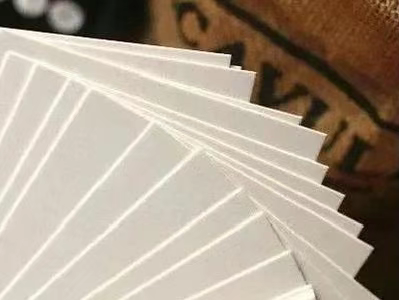
During the production of glassine paper, strong acids and oxidants create corrosive conditions. Hastelloy C-22 offers excellent resistance to the chlorides and acidic media. Therefore, it is often used in reactors, transport pipes, and valves to improve equipment durability and reduce upkeep costs.
2. In chlorination systems
In chlorination systems, moist chlorine and chlorides can cause serious corrosion. Hastelloy C-22 offers excellent protection against chlorine, hydrochloric acid, and chlorides, making it ideal for use in gas scrubbers, storage vessels, and piping networks for stable, safe performance.
3. In pickling systems
The pickling process typically uses strong acids like hydrochloric acid and sulfuric acid, creating highly corrosive environments. Hastelloy C-22 offers excellent corrosion resistance in these environments, and is commonly applied in acid pickling baths, heat exchangers, and acid piping systems to ensure durability and process stability.
4. Wastewatertreatment
Wastewater often contains harmful chemicals like chlorides, organic acids, and heavy metal ions. Hastelloy C-22 offers excellent corrosion resistance in such conditions and is commonly used in pump housings, pipelines, and tanks to improve reliability and extend service life.
5. Incineration Scrubber System
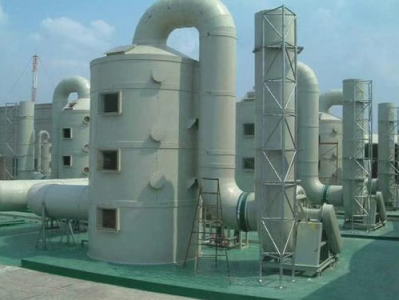
Incineration scrubber systems contain strong acidic gases like SO₂, HCl, and HF. Hastelloy C-22 has excellent resistance to acid corrosion and high temperatures, so it is often used in scrubbers and discharge pipelines to ensure a long service life.
6. Flue Gas Cleaning System
Flue gas treatment removes harmful gases and particles, and the gases are often acidic and contain chlorine. Hastelloy C-22’s corrosion resistance makes it an ideal material for flue gas cleaning equipment like filters, reactors, and pipes, helping to prevent corrosion damage.
7. Geothermal well
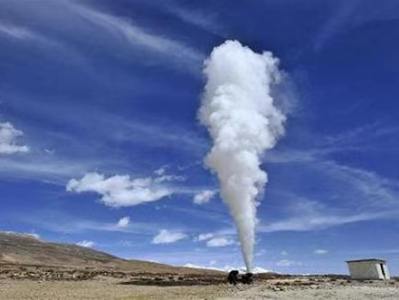
The environment in geothermal wells is hot, and the fluids often contain corrosive ions such as chlorides and sulfides. Hastelloy C-22 offers outstanding corrosion and heat resistance, making it ideal for use in geothermal well casings, pipelines, and surface equipment.
8. Paper bleaching equipment
Pulp bleaching uses strong chemicals that create a highly corrosive environment. Hastelloy C-22’s excellent corrosion resistance makes it ideal for use in bleach towers, pipelines, and valves.
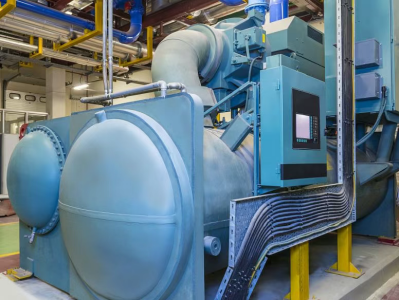

1. Glassine paper manufacturing 2. In chlorination systems
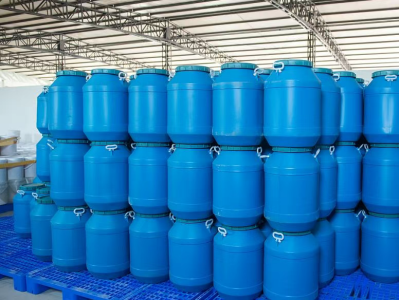

3. In pickling systems 4. Wastewatertreatment
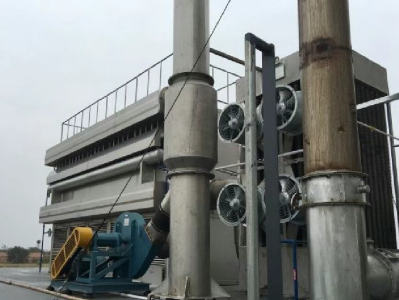
5. Incineration Scrubber System 6. Flue Gas Cleaning System
7. Geothermal well 8. Paper bleaching equipment