
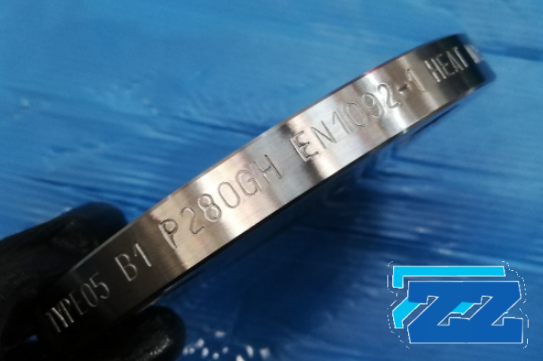
What are EN1092-1 Flanges?
EN1092-1 is a European standard for steel flanges. Flanges are flat, circular discs with holes that connect pipes, valves, pumps, and other equipment in a piping system. Think of them as “bridges” that hold pipe parts together tightly and securely.
The “EN” in EN1092-1 stands for “European Norm,” meaning this standard is used across Europe and many other countries worldwide. It sets clear rules for how flanges are designed, made, and sized. This ensures that flanges from different manufacturers work together (called compatibility) and are safe to use.
Key Features
EN1092-1 flanges have a few basic features that make them reliable.
- Size Markings: They use two easy labels: DN (nominal diameter, the size of the pipe opening) and PN (nominal pressure, how much pressure they can handle). DN ranges from 10 to 4000, and PN ranges from 2.5 to 400.
- Materials: Most are made of steel—like carbon steel, stainless steel, or alloy steel. The material choice depends on what the pipe carries (e.g., water, chemicals) and the temperature/pressure of the system.
- Sealing Faces: The part that touches the gasket (to stop leaks) comes in different types. The most common are flat face (FF) and raised face (RF)—simple designs that work for most jobs.
- Markings: Every EN1092-1 flange has clear labels, including the standard name (EN1092-1), DN, PN, material, and manufacturer. This makes it easy to choose the right one.
Common Types of EN1092-1 Flanges
There are different types of EN1092-1 flanges, each for a specific job. Here are the most common ones:
- Slip-On Flanges (Type 01): These slip over the pipe and are welded in place. They’re cheap, easy to install, and good for low-pressure systems (like water pipes).
- Weld Neck Flanges (Type 11): They have a long neck that’s welded to the pipe. Strong and durable, they’re perfect for high-pressure, high-temperature systems (like chemical plants) because they spread pressure evenly.
- Blind Flanges (Type 05): These are like a cap—they close the end of a pipe. Useful for systems that might need expansion or maintenance later (you can easily remove them).
- Threaded Flanges (Type 13): They have threads inside, so you can screw them onto a threaded pipe—no welding needed. Great for small pipes or places where welding isn’t allowed (like near flammable materials).
Why EN1092-1 Flanges Are Used Worldwide
EN1092-1 flanges are popular for simple reasons:
- Safe: The standard’s strict rules mean they’re less likely to leak or break, keeping workers and equipment safe.
- Compatible: Flanges from different brands fit together because they follow the same standard. No more guessing if a flange will work with your pipe.
- Versatile: They work in many industries—chemical plants, water treatment, energy, and more. Whether you’re moving water or chemicals, there’s an EN1092-1 flange for the job.
How to Choose the Right EN1092-1 Flange
Choosing the right flange is not difficult if you remember three things below:
- Check the DN: Make sure it matches the diameter of your pipe.
- Check the PN: Pick a flange that can handle the pressure of your system (don’t use a low-PN flange for high-pressure work).
- Consider the use case: For low pressure, slip-on flanges work well. For high pressure or temperature, go with weld neck flanges. If you need to close a pipe end, choose a blind flange.
Conclusion
EN1092-1 flanges are the reliable, standardized connectors that keep European industrial plants, water systems, and heating networks running safely. By understanding the basic types (like Weld Neck or Blind), the pressure rating (PN), the size (DN), and the material, it’s not a problem to make the right selection.